From Stadion to Daily Life: How Blokecore Turns Jerseys Into the Best Advertising Space Off Pitch
Published on
by Leon Löw
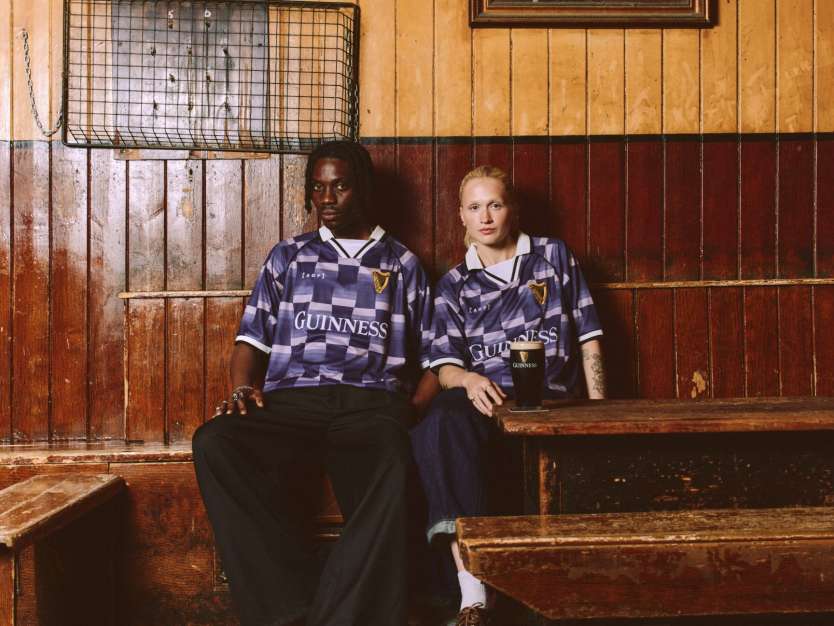
There are fashion trends that come and go – and then there's blokecore. Anyone walking through city centres or scrolls through Reels and TikToks will see the look everywhere: retro jerseys, straight-cut jeans and classics such as the adidas Samba or Gazelle trainers. What used to be the uniform of terrace culture is now a lifestyle – and therefore a gift for all brands featured on the jersey.
In this Insight:
What Blokecore actually is - and why brands have reason to be excited
Blokecore draws inspiration from the British football and pub aesthetic of the 1980s and 1990s: visible team jerseys (unlike the ‘casuals’), paired with denim and retro sportswear. The trend is strong on social media, visually striking and culturally relevant. For sponsors, this means more organic touchpoints and more ‘street sightings’ of the logo beyond traditional sports coverage.
Blokecore therefore creates access to young, style-conscious target groups. And: jersey sales in the Bundesliga have grown noticeably over the last ten years – making each sale not only a source of income, but also a multiplier for everyday impressions.
Why jersey sponsorship benefits from the Blokecore trend
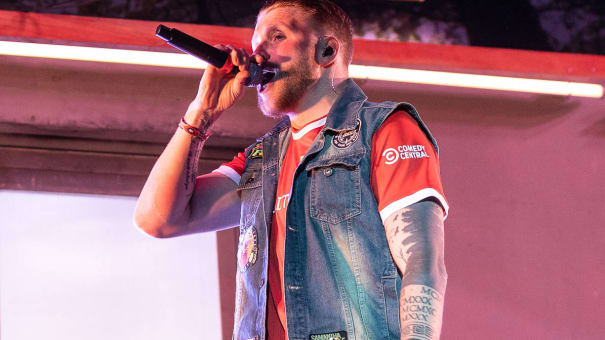
In the past, the jersey was mainly visible on match days; today, it appears in schools, libraries, the underground and bars – and in every feed that documents these spaces. This creates a kind of paid-owned-earned hybrid:
the space booked on the jersey is paid for,
the product worn is ‘owned’ and
the everyday and social reach is earned.
The more a club anchors its jerseys in everyday looks, the more often the sponsor logo appears in environments that would otherwise require expensive media budgets – and which work much better in a cultural context than traditional advertising spaces.
The trend is also increasing demand for variety: limited editions, anniversary designs, collaborations with creative partners. Special jerseys regularly go viral and drive sales. For example, the BVB special jersey for the 2024/25 season sold out after 30 minutes. Moments like these not only drive sales, but also enhance the jersey's status as a fashion item – and thus the logos on it. This is the elegant antithesis to the wear and tear debate: not less visibility, but more relevant visibility through better and more distinctive design, more appropriate occasions and an audience that consciously uses jerseys as a style statement.
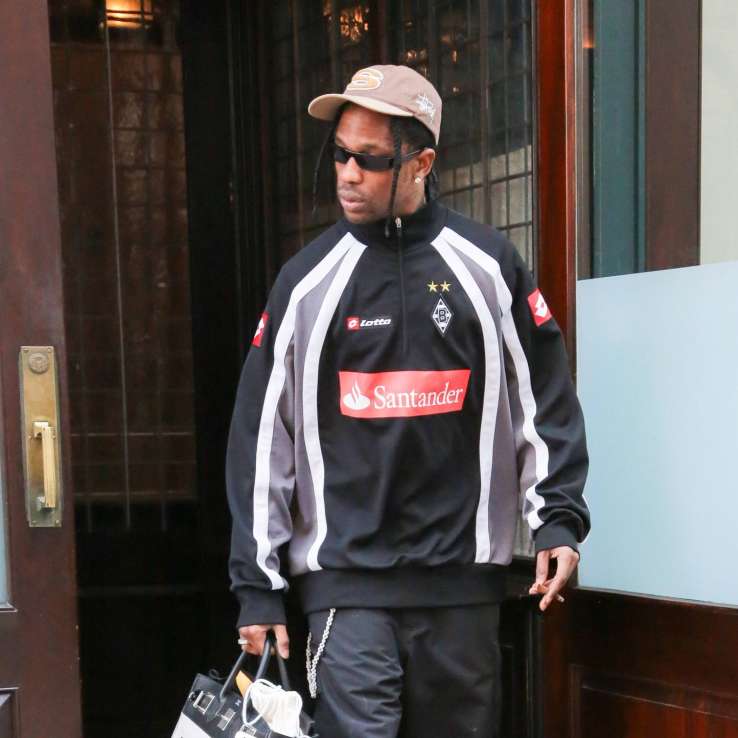
Blokecore also has an impact through people. Athletes, creators, celebrities – they all contribute to jerseys becoming an increasingly common part of everyday looks. When the ‘uniform’ of everyday life is a football jersey, the people who wear these pieces become multipliers of the sponsor logos and their reach. This makes visibility less dependent on TV schedules, more robust to performance fluctuations over the course of a season, and extends it into cultural spaces that brands would otherwise hardly reach.
Potential pitfalls – and why they are manageable
Of course, there are limits. A logo must not become a foreign body in the styling. But the good news is that precisely because blokecore thrives on visible jerseys (and not on a ‘no-logo’ aesthetic), brand presence is culturally accepted – as long as the design quality is right and the club's DNA remains recognisable.
Retailer data and editorial trends indicate that the look will endure beyond fashion microcycles – even if individual silhouettes experience periods of saturation. The bottom line is that the football lifestyle remains, while the specific form rotates. For jersey sponsors, therefore, one constant is particularly important – the shirt as a medium.


Conclusion: Blokecore turns the jersey into an everyday reach-extender
Blokecore is the renaissance of the jersey as a cultural asset – and the revaluation of jersey sponsorship as a cultural and everyday reach machine. Those who understand and take aesthetics seriously gain impressions without having to ‘book’ them – and memories without having to force them.
The jersey remains the fabric on which stories are written – the logos on it become time stamps that will still be recognisable in photos ten years from now. For brands, this is the rare combination of short-term sales and long-term brand building.
